
Equipment Hire Insurance
Specialist cover for event, AV, staging and production equipment hire businesses.
Specialist cover for event, AV, staging and production equipment hire businesses.
Specialist Insurance for Equipment Hire Businesses
We arrange insurance for businesses hiring out equipment across events, media production and commercial environments.
Cover should reflect how your business operates, how responsibility passes to the hirer, and how equipment is stored, transported and used.
Own Equipment
Cover for your owned equipment against damage, loss and theft.
Hired Out Equipment
Protection for equipment hired to customers, subject to hire terms and insurer conditions.
Public Liability
Cover for injury or property damage arising from your operations.
Transit Cover
Protection while equipment is being transported between locations.
Who This Insurance Is For
This insurance is designed for businesses hiring out equipment for events, productions and commercial use.
- AV and sound equipment hire companies
- Lighting and staging providers
- Production equipment suppliers
- Furniture and event hire businesses
- Technical production suppliers
- Exhibition and display hire businesses
- Temporary infrastructure suppliers
- Specialist event equipment providers
- Dry hire and mixed dry/wet hire operators
Need Equipment Hire Insurance?
Speak to a specialist broker who understands hired out equipment, transit risks, liability exposures and insurer requirements around dry hire.
Equipment Hire Insurance Guide
This guide explains key risks, policy conditions and insurer requirements for equipment hire businesses.
Key Insurance Considerations for Equipment Hire Businesses
Insurers assess equipment hire risks based on how equipment is hired out, stored and controlled.
They will usually want to understand hire structure, contract terms and operational controls.
Dry Hire vs Wet Hire
Dry hire usually means equipment is supplied without an operator, with responsibility passing to the hirer under the hire agreement.
Wet hire usually means the equipment is supplied with an operator or technician, so more control and responsibility remains with your business.
Insurers often ask for the split between dry hire and wet hire because it affects the level of exposure, especially around damage, theft, fraudulent hire and how responsibility transfers during the hire period.
Equipment Hired Out – Important Policy Conditions
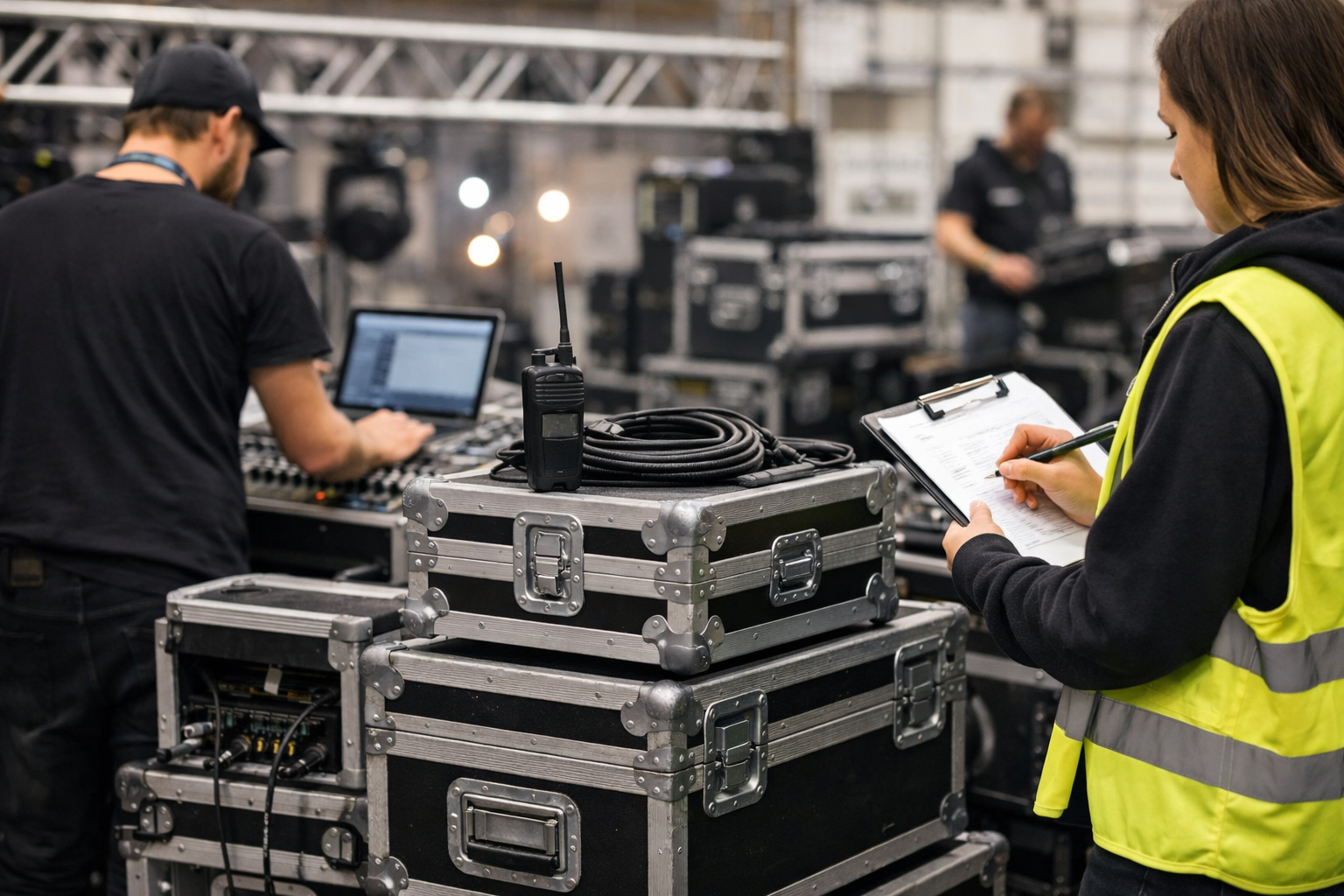
Where equipment is hired out, particularly on a dry hire basis, insurers will usually expect your written hire terms and conditions to make the hirer responsible for the equipment during the hire period.
- Your hire terms should clearly transfer responsibility to the hirer
- The hirer should accept responsibility in writing
- Conditions of hire should be consistent with current industry standards
- Insurers may ask to review and approve your hire agreement before confirming cover
For higher-risk or higher-value dry hire operations, insurers may also expect stronger proof of hirer identity, address verification and documented customer checks.
If responsibility does not clearly pass to the hirer, or your controls are not strong enough, cover for hired-out equipment may be restricted or declined.
Fraudulent Hire – A Key Risk Area
Fraudulent hire is one of the most important risk areas for equipment hire businesses, particularly where high-value equipment is supplied to new or previously unknown customers.
Insurers may offer fraudulent hire cover, especially for dry hire operations, but they will usually require robust vetting procedures to be followed.
Where fraudulent hire cover is available, it is often most relevant to dry hire operations and is usually dependent on strict compliance with insurer vetting conditions.
Typical Insurer Requirements
- Obtain and verify at least two trade references for new hirers
- Retain supporting business documentation and address evidence
- Keep clear customer identification and collection records
- Record payment details and checks completed before release
- Ensure collection is made by the hiring business and properly documented
- Maintain a clear audit trail showing the checks completed before equipment is released
Important: Fraudulent hire cover is usually subject to strict conditions. If the required vetting procedures are not followed, insurers may decline a claim.
For this reason, insurers will often ask for:
- a copy of your hire terms and conditions
- confirmation that responsibility passes to the hirer
- details of the vetting procedures used for new customers
- the split between dry hire and wet hire operations
Information Insurers Typically Need
When arranging insurance for an equipment hire business, insurers will usually want detailed information about your premises, your equipment, your hire structure and the controls you have in place.
This helps insurers understand how equipment is stored, what is hired out, how responsibility is transferred, and what procedures are followed for new and existing hirers.
Typical Information Requested
- Full details of the storage premises or warehouse
- The security protections in place, including alarms and physical security
- The split between dry hire and wet hire work
- Details of hire terms and conditions
- Vetting procedures for new customers
- A breakdown of equipment values by category and location of use
- Whether equipment is kept at the premises, hired out in the UK / EU, or used worldwide
Storage & Warehouse Security
Insurers will usually want full security details for the warehouse, storage unit or premises where equipment is kept.
The level of detail required often depends on the total values at risk, but insurers will normally want to know not only about alarms, but also the wider physical protections in place.
Alarm Information
- The type and grade of the intruder alarm
- How the alarm is monitored or signalled
- Whether the alarm is professionally installed and maintained
- Whether there are any areas of the premises not covered by the system
For many commercial risks, insurers often expect a suitable graded alarm system, but the required specification can vary depending on values, location and overall risk profile.
Practical point: Even where an alarm meets an acceptable standard, insurers may still look for stronger physical protections where equipment values are high or theft exposure is greater.
Physical Security Measures
- Roller shutters, bars or grilles
- Internal cages or secure storage areas
- Perimeter fencing and secure gates
- Ram raid protection such as posts or bollards
- Smoke cloak systems
- Security guards or monitored response
- Property marking and forensic identification systems
Insurers are now often just as interested in the physical protections at the premises as they are in the alarm specification itself.
Equipment Categories & Sum Insured Splits
Insurers will usually want equipment values broken down into clear categories, rather than one overall figure.
This is particularly important where some equipment remains at the premises, some is regularly hired out within the UK or Europe, and some travels worldwide.
Technical Equipment
Film, video, projection, sound, recording, lighting, grip, generators, staging, post-production and related ancillary equipment.
Props, Sets & Wardrobe
Other Specified Items
Typical Value Splits Insurers May Request
- Technical equipment usually kept at the premises at any one time
- Technical equipment hired out or used in the UK / Europe
- Technical equipment hired out or used worldwide
This helps insurers understand the maximum exposure at the premises and the level of mobile or overseas exposure separately.
Additional Hired In / Hired Out Conditions
Policies for equipment hire businesses often contain specific conditions around equipment hired in and equipment hired out.
These conditions are important because claims may be reduced or declined where they are not followed and that failure has contributed to the loss.
Equipment Hired In
- Hired-in equipment should be inspected before acceptance
- It should be returned to an authorised official of the hiring company
- If values hired in exceed the declared sums insured, insurers may need to be told in advance
Equipment Hired Out
- The hire should be under written terms and conditions
- The hirer should accept responsibility for damage during the hire period
- You may need to retain proof of acceptance by the hirer
- Insurers may require identity and address verification from reliable independent sources
Important: The more valuable the equipment and the higher the dry hire exposure, the more likely insurers are to focus on documented checks, written acceptance and clear audit trails.
Key Policy Extensions Explained
Equipment hire policies can often be extended or structured to reflect the way specialist hire businesses operate.
Hired-Out Property Cover
Can cover equipment while hired out, provided your hire terms meet insurer requirements and have been accepted.
Transit Cover
Re-Hired Equipment
It is important to check exactly how transit, rehired equipment and hired-out property extensions apply, as wording and conditions can vary between insurers.
Theft & Unattended Vehicle Conditions
Theft from vehicles is one of the most common problem areas in equipment claims, and policy conditions are often very strict.
Typical Conditions
- Vehicles must be locked and secured whenever left unattended
- Any alarms or immobilisers must be activated
- Equipment should be concealed from view wherever possible
- Outside working hours, insurers may require vehicles to be in a locked building or secure compound
Some policies can include improved unattended vehicle conditions, but these still usually require strict compliance with alarm, locking and storage requirements.
Example Claims
Damaged lighting rig: A hire company supplied lighting equipment for a live event. During setup, part of the rig was damaged and needed urgent replacement to avoid disruption.
Theft from vehicle: Equipment was stolen overnight from a vehicle after a stop between locations. The claim outcome depended heavily on whether the unattended vehicle conditions had been fully complied with.
Fraudulent hire: A new customer hired high-value equipment and failed to return it. Whether the claim was covered depended on the vetting procedures followed before release.
Frequently Asked Questions
Do I need insurance for equipment hired out to customers?
What is the difference between dry hire and wet hire?
Can insurance cover fraudulent hire?
Does transit cover apply automatically?
Are theft claims from vehicles always covered?
What security information will insurers usually ask for?
Why do insurers ask for equipment value splits?
Related Insurance Services
Event Production Insurance
Cover for businesses delivering production, staging, lighting and technical event services.
Festival & Event Insurance
Event Supplier Insurance
Speak to a Specialist Broker
We’ll review your hire structure, equipment values, contract terms and operational risks to help ensure your cover is properly arranged.